SoundTouch
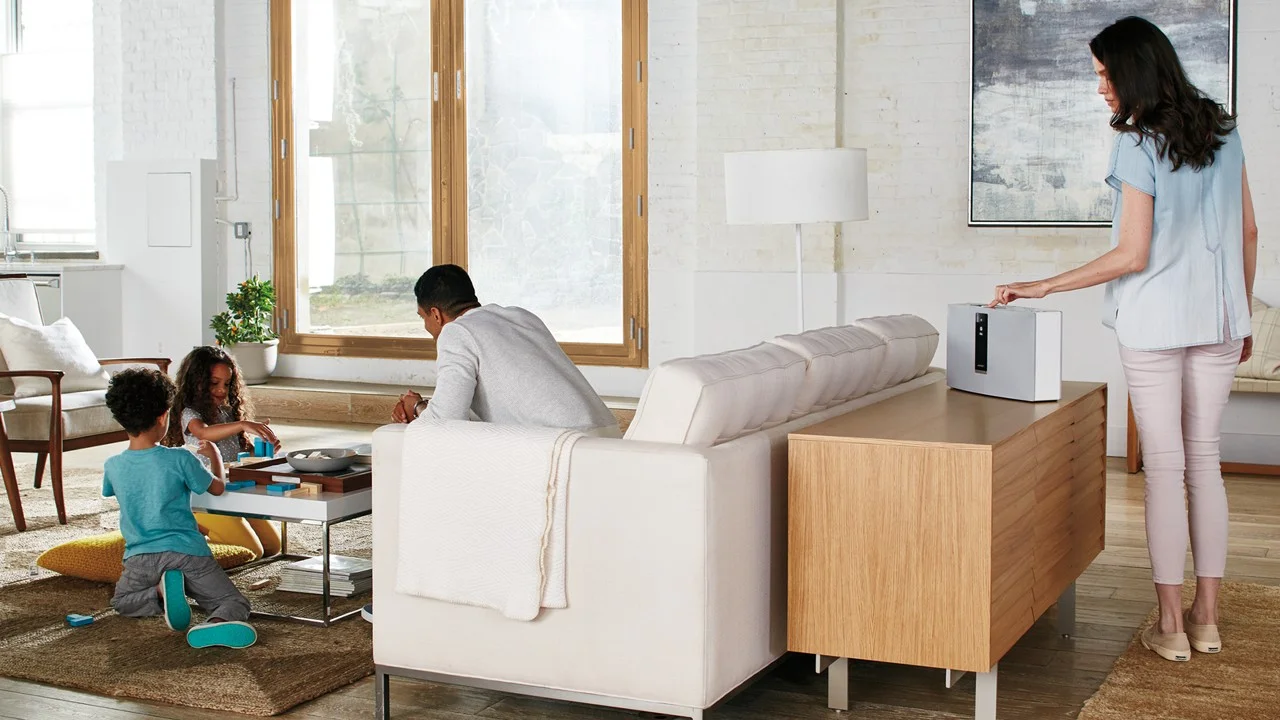
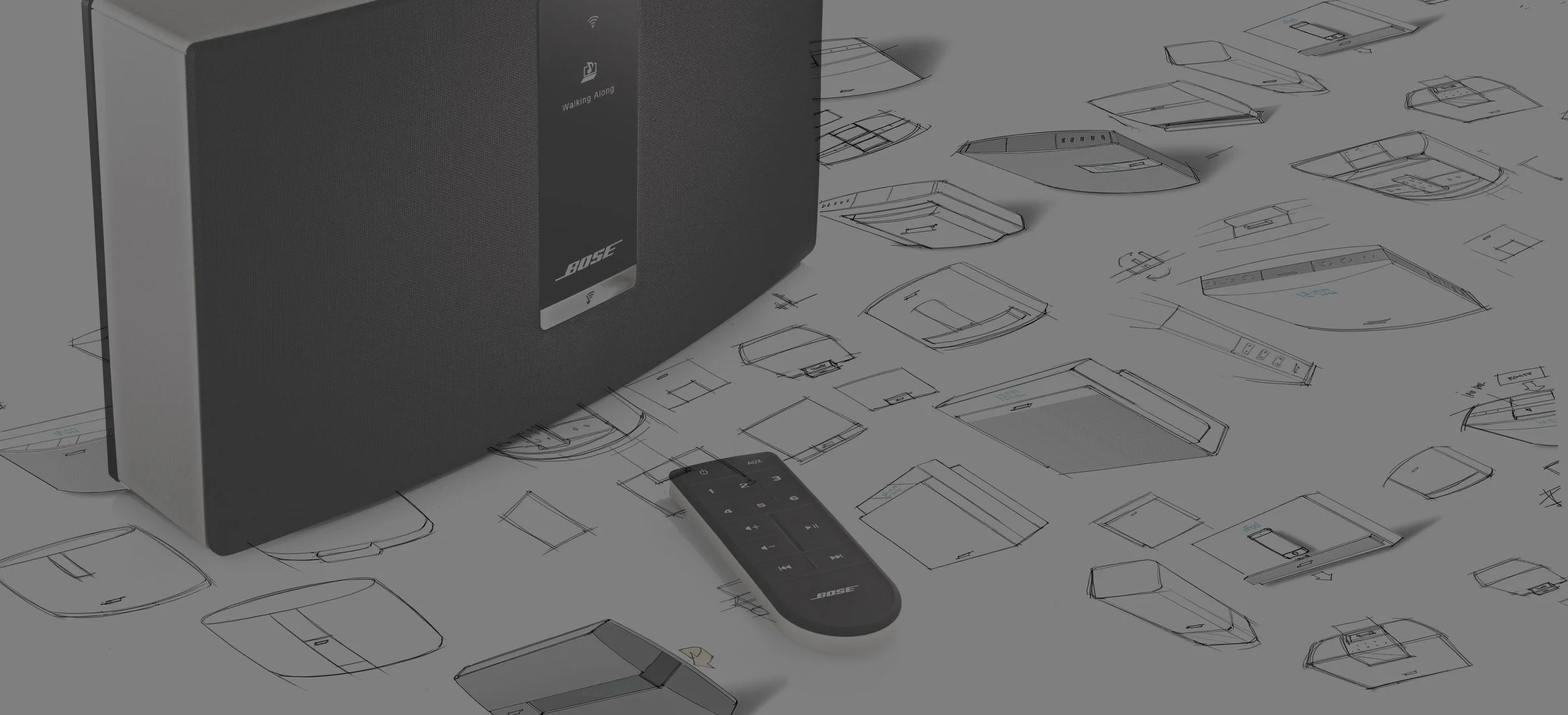
Industrial design language for Bose's new line of Wifi speakers - intended
to replace the aging SoundDock line and help establish Bose as a leader in home audio products for streaming music content.
Launched 2015
Strategy
- Evolve existing Bose Design Aesthetic
- Strongly differentiate from SoundDock Design Language
- Develop unique design traits for SoundTouch, and physically
embody a novel user-preset feature
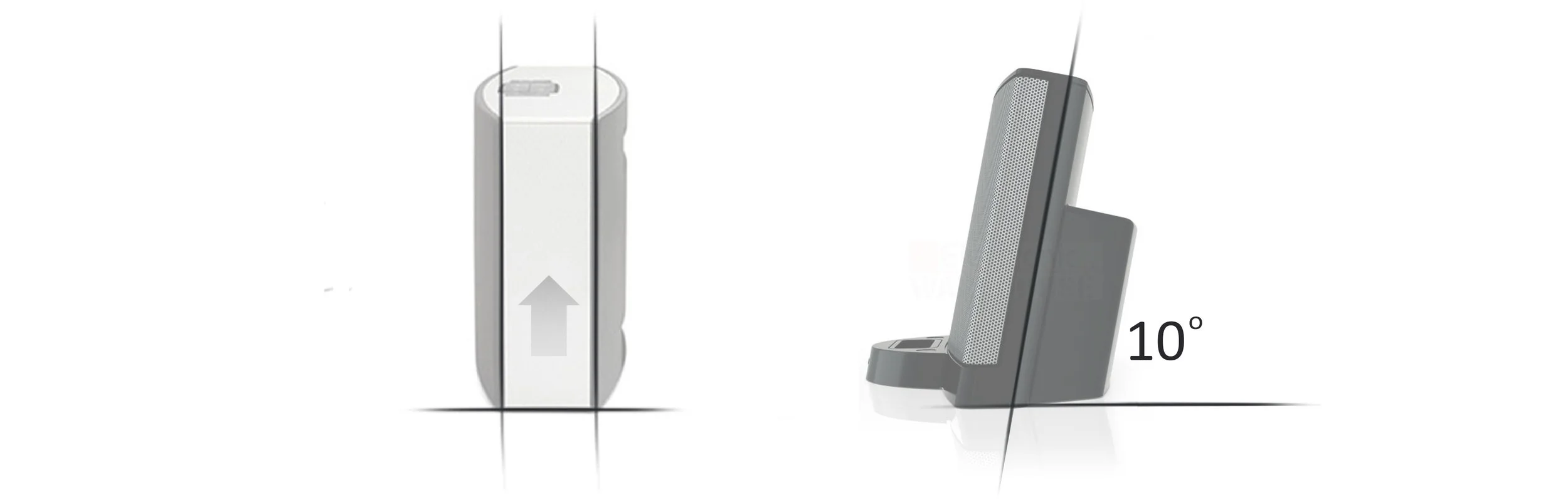
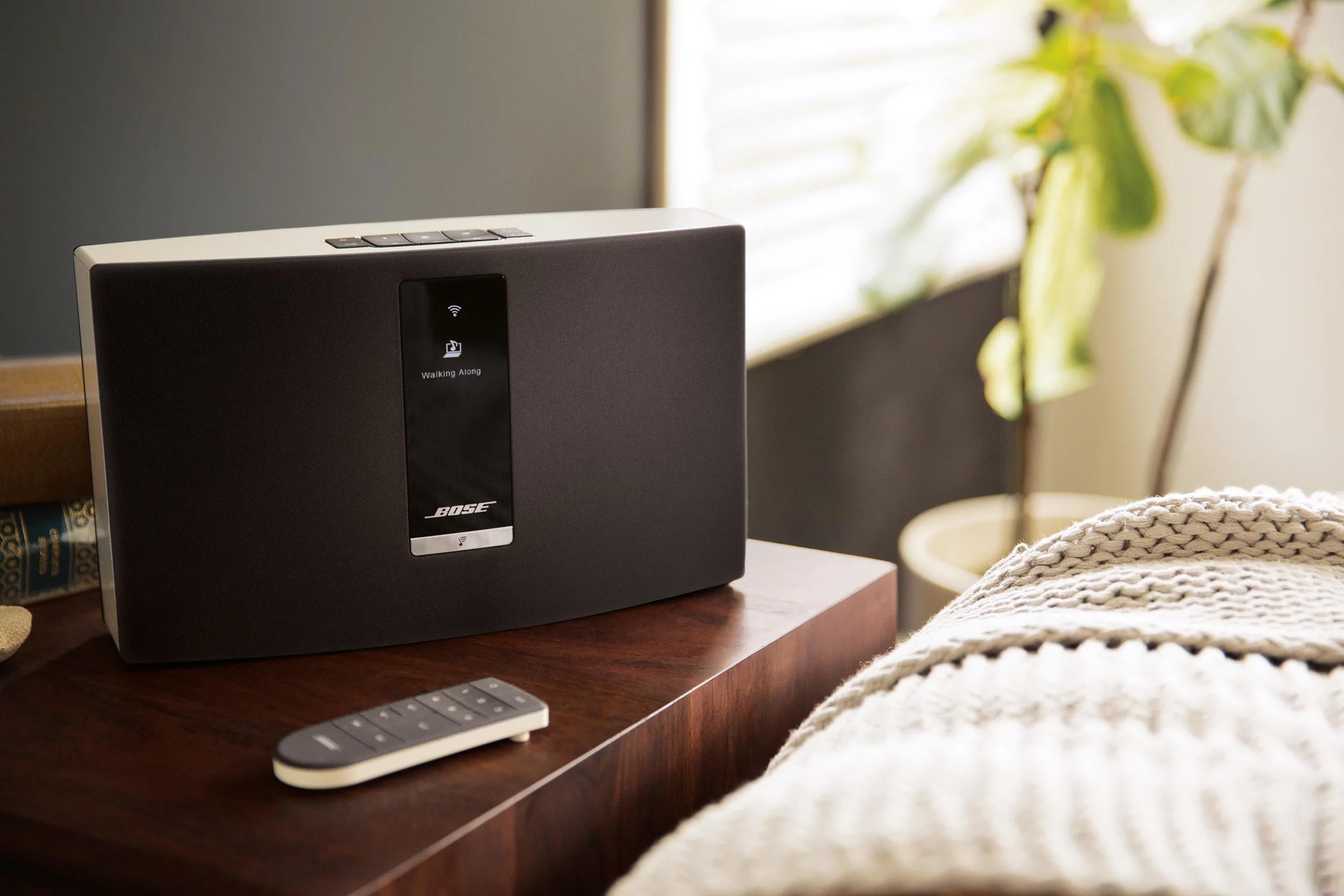
Unique through Product Stance
SoundDock products tilt back at 10 degrees to provide iPod/iPhone stability, SoundTouch should have a
vertical orientation for purity of form and to harmonize with the home environment
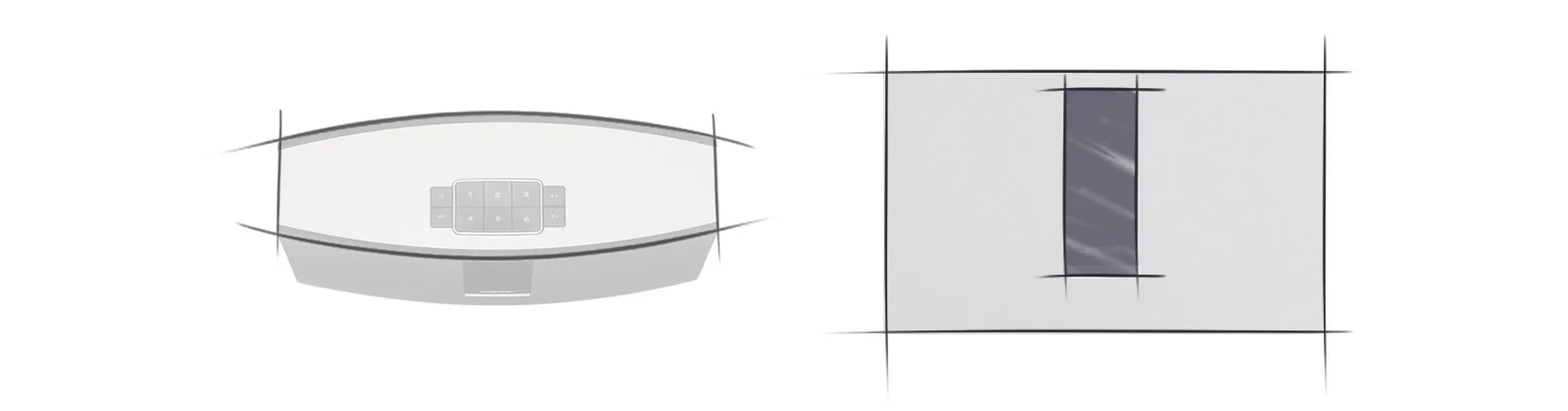
Gesture and Composition
The essence of the product should be distillable to simple shapes and an iconic composition of detailing
Color, Materials and Finishes
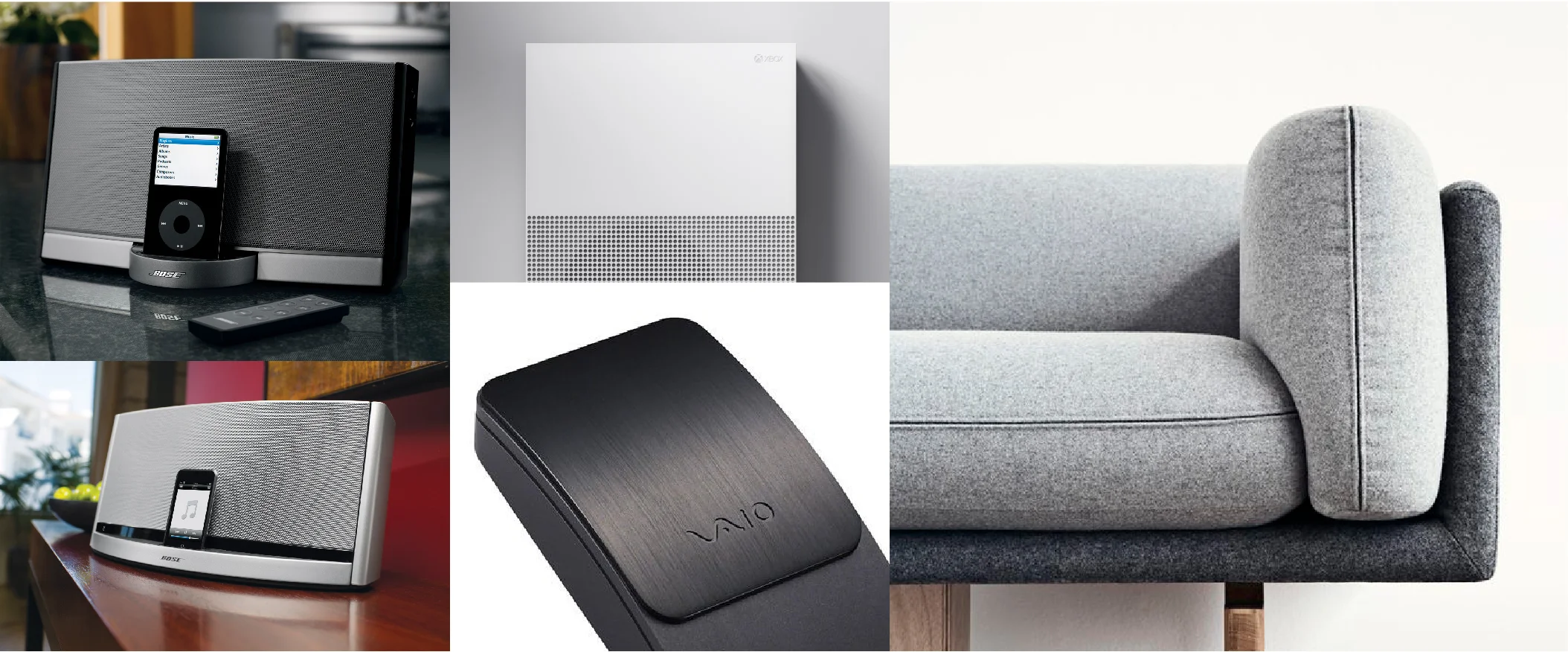
If SoundDocks are finished in metal, black and silver - SoundTouch could differentiate through a
color palette & materials that are elevated and more home inspired.
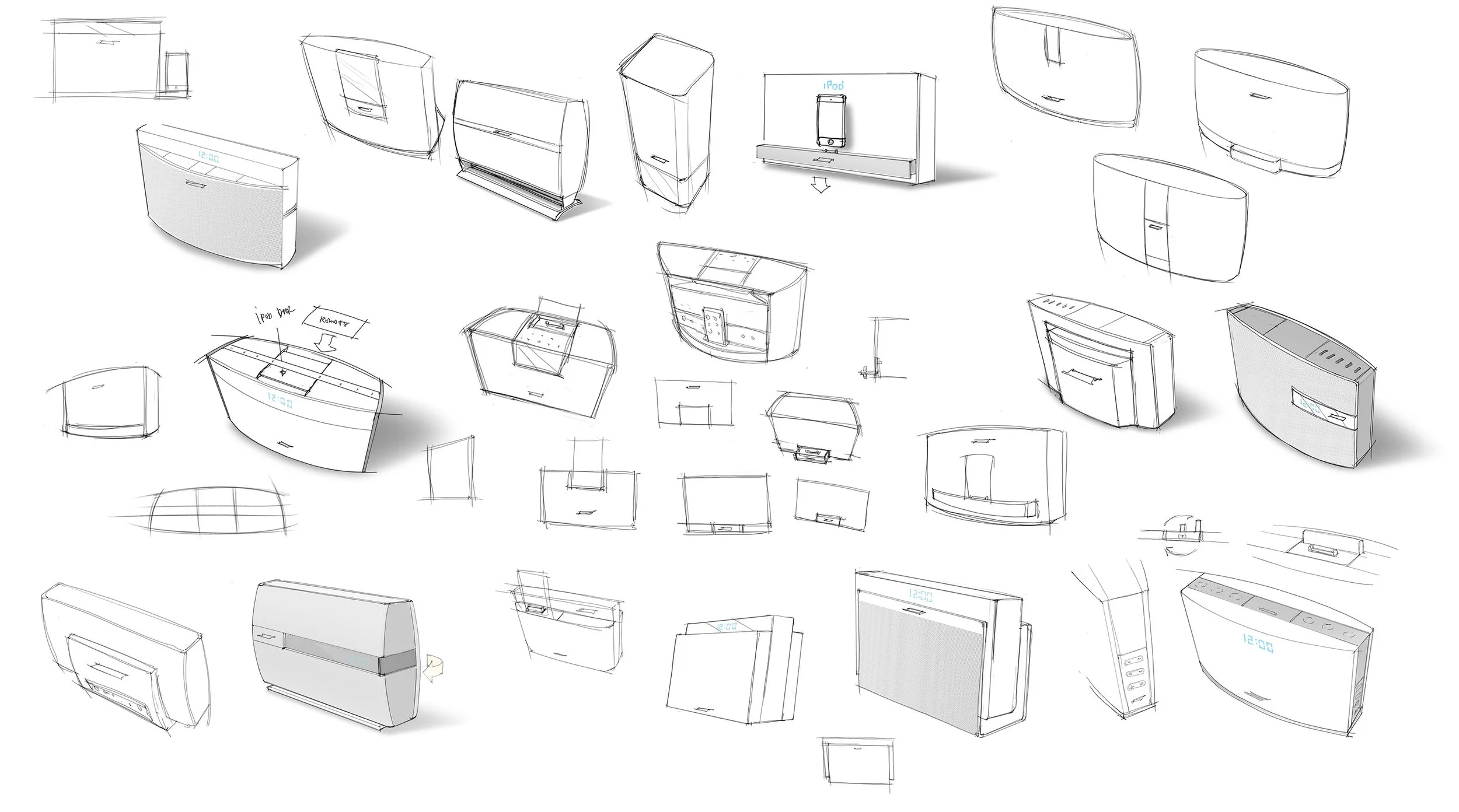
Initial Ideation
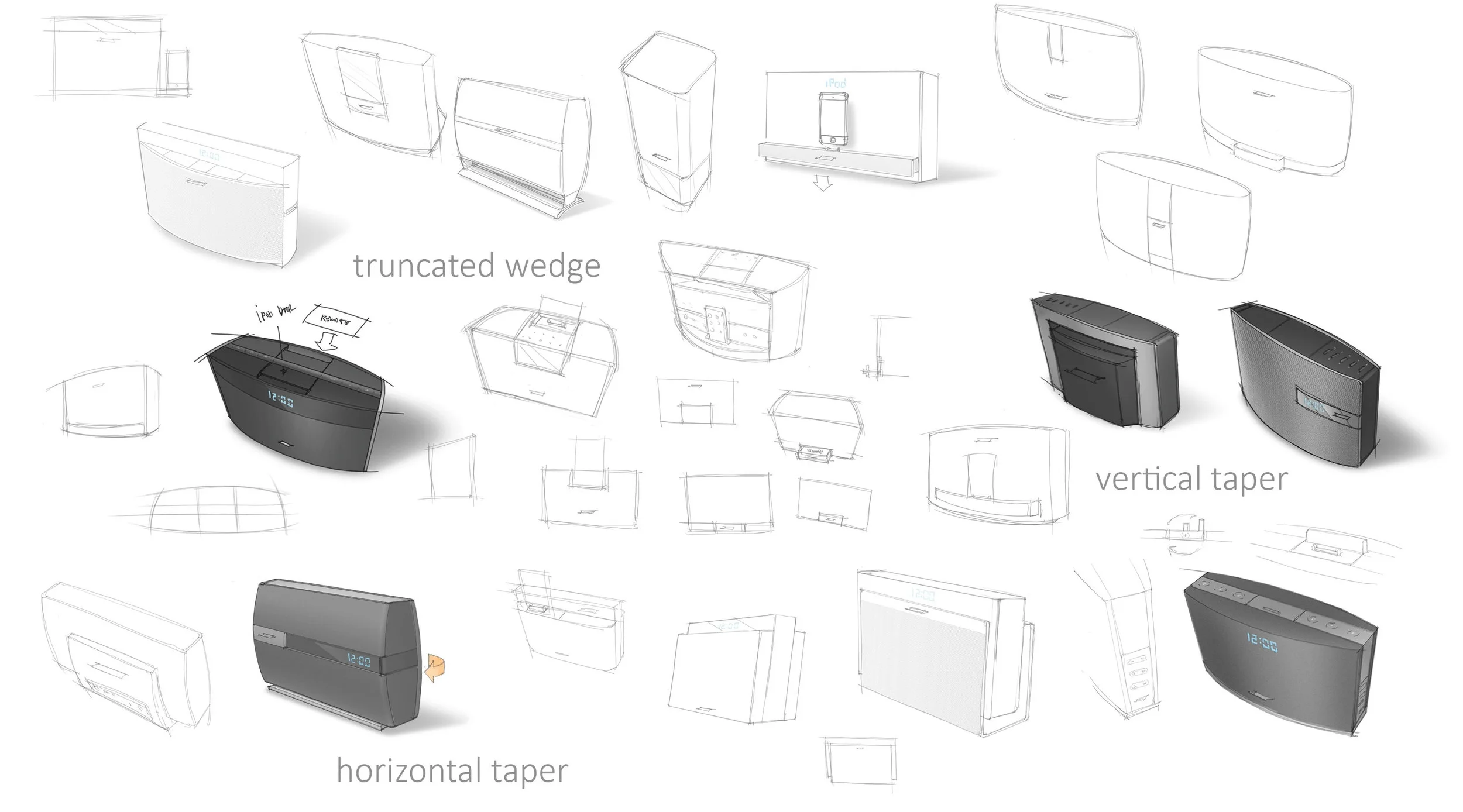
Emerging Themes
Architectural Studies / Acoustics Integration
Each concept direction was explored with Acoustic Engineering to understand how the form impacted
speaker layout and vice-versa. Initial layout consisted of Mid-tweeters, a base driver and passive radiators.
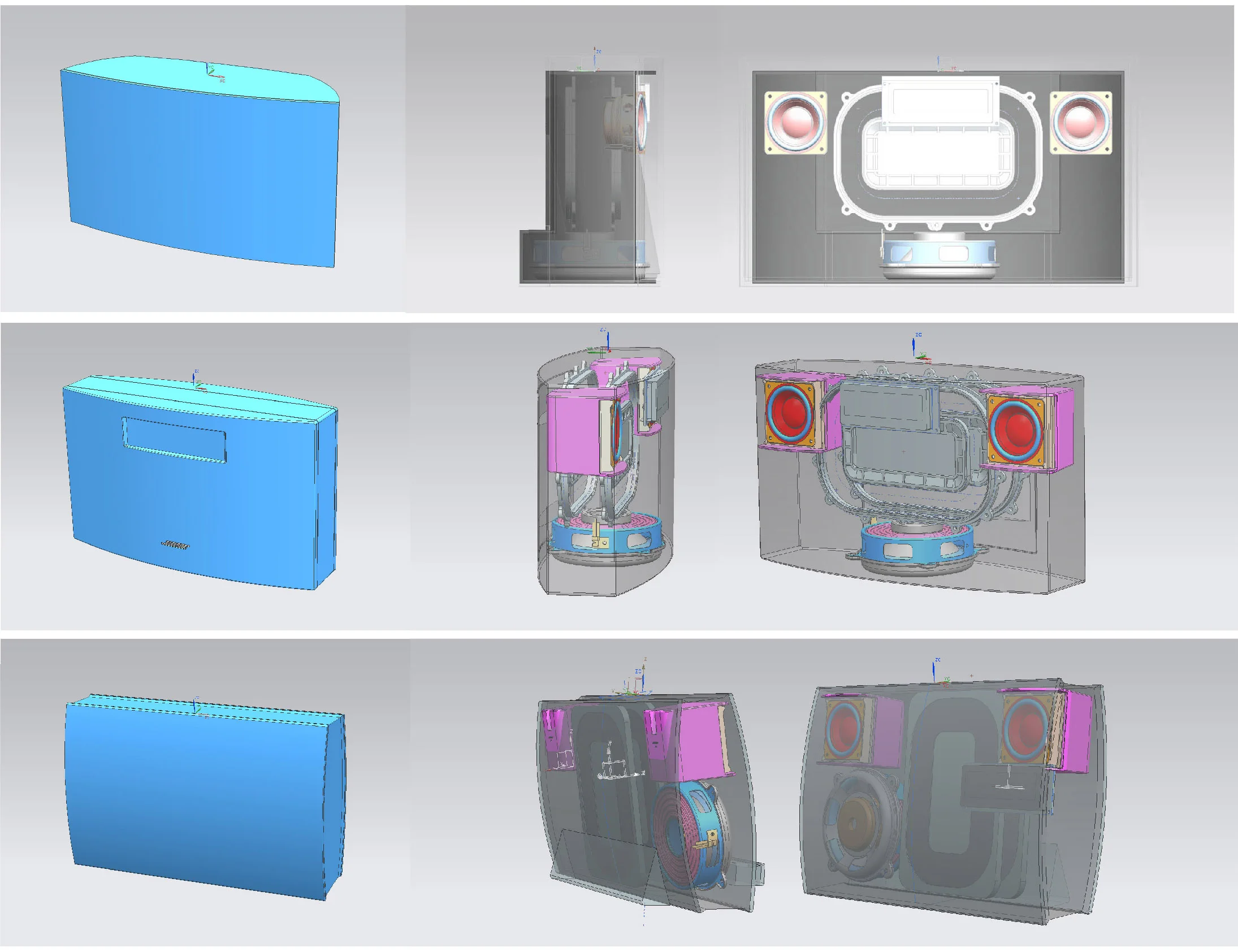
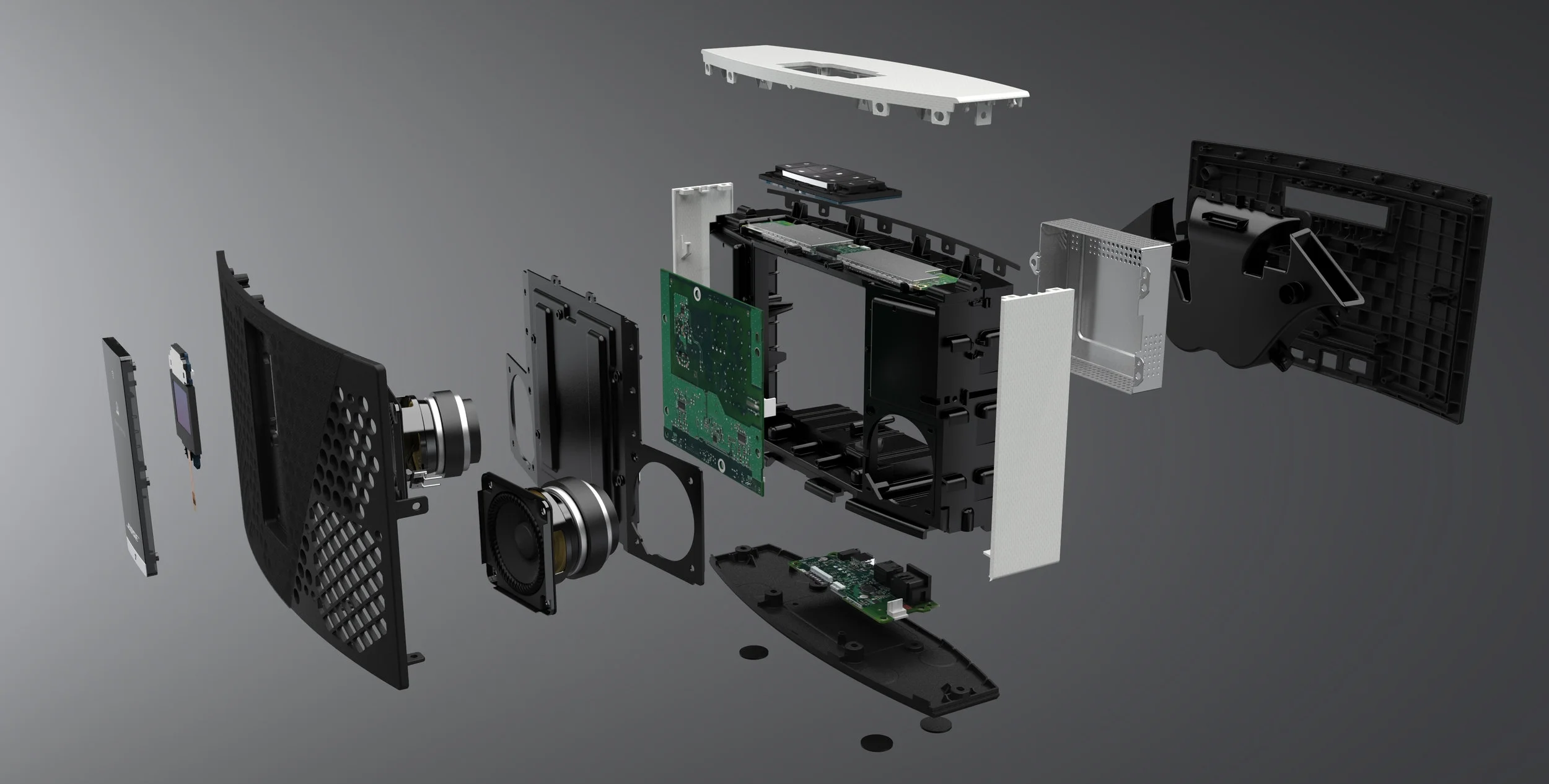
Form Selection and Refinement
Acoustics were simplified to 2 drivers and a wave-port because it provided the best cost to performance ratio.
The 'Vertical Taper' concept was selected for purity and best compatibility with final acoustics.
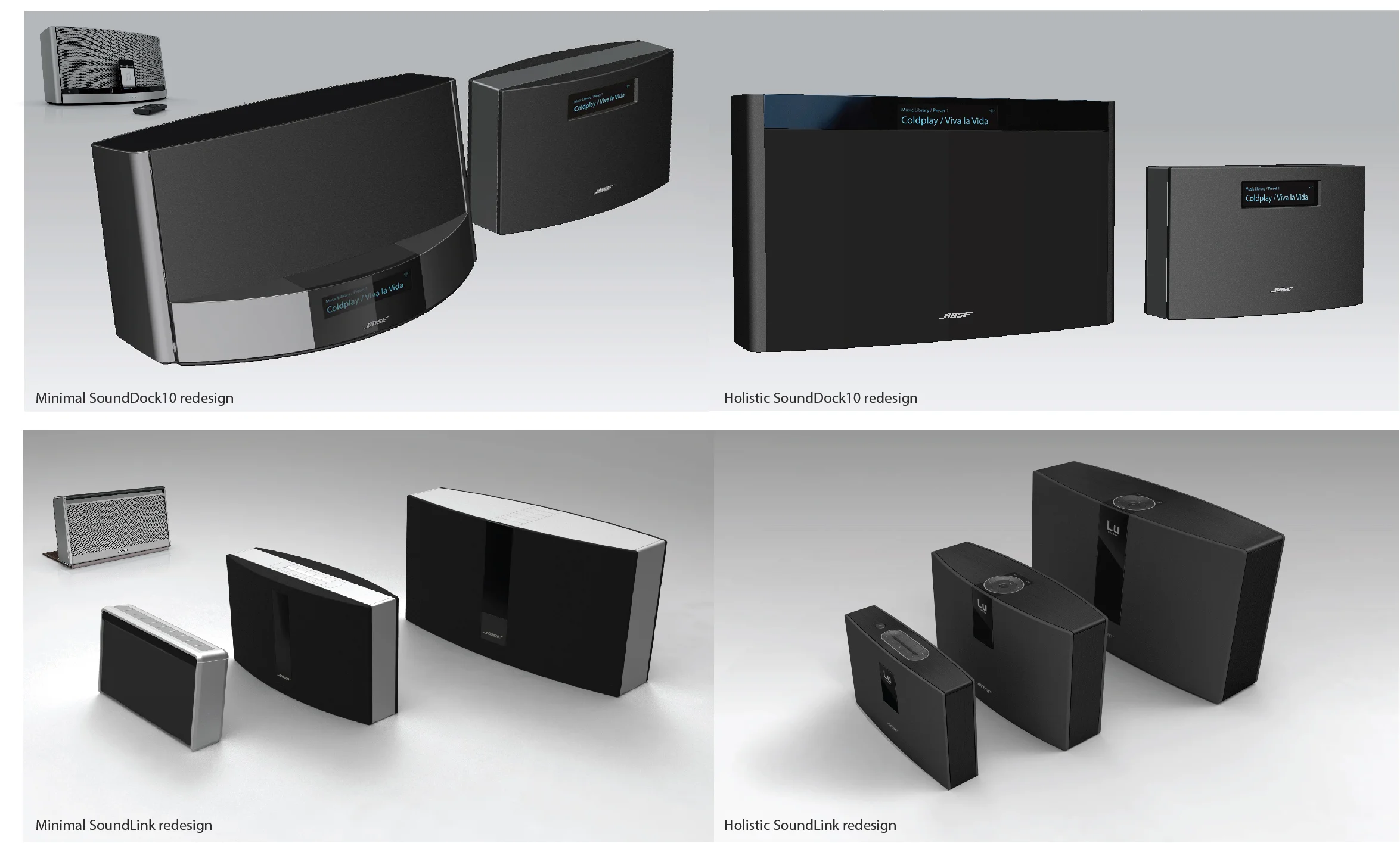
driving a holistic design vision
Initial plan for the SoundTouch family was to adapt existing smaller and larger speakers with very minimal changes - Industrial Design pushed for the comprehensive changes that would strengthen the SoundTouch brand and product portfolio.
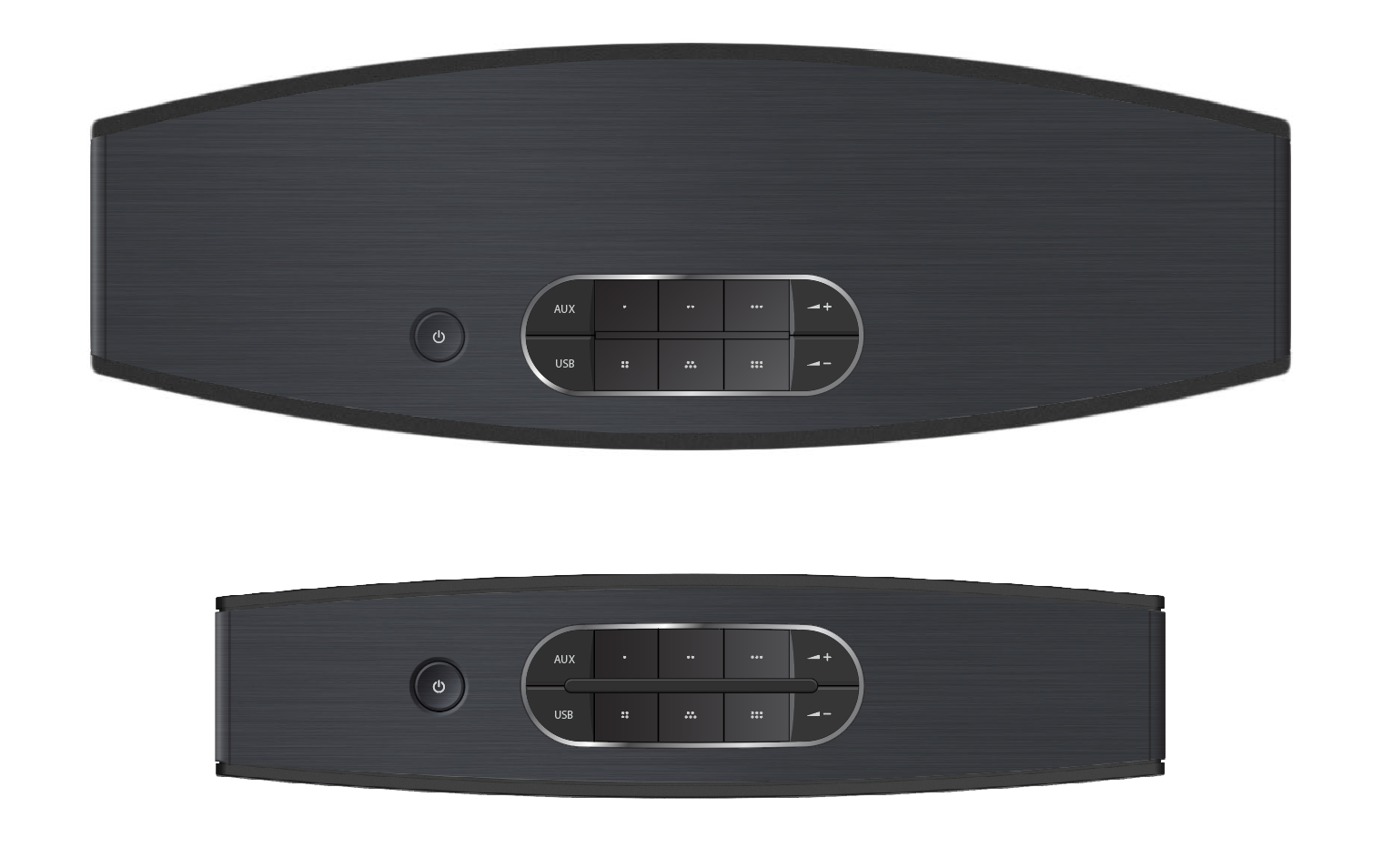
Speaker Controls
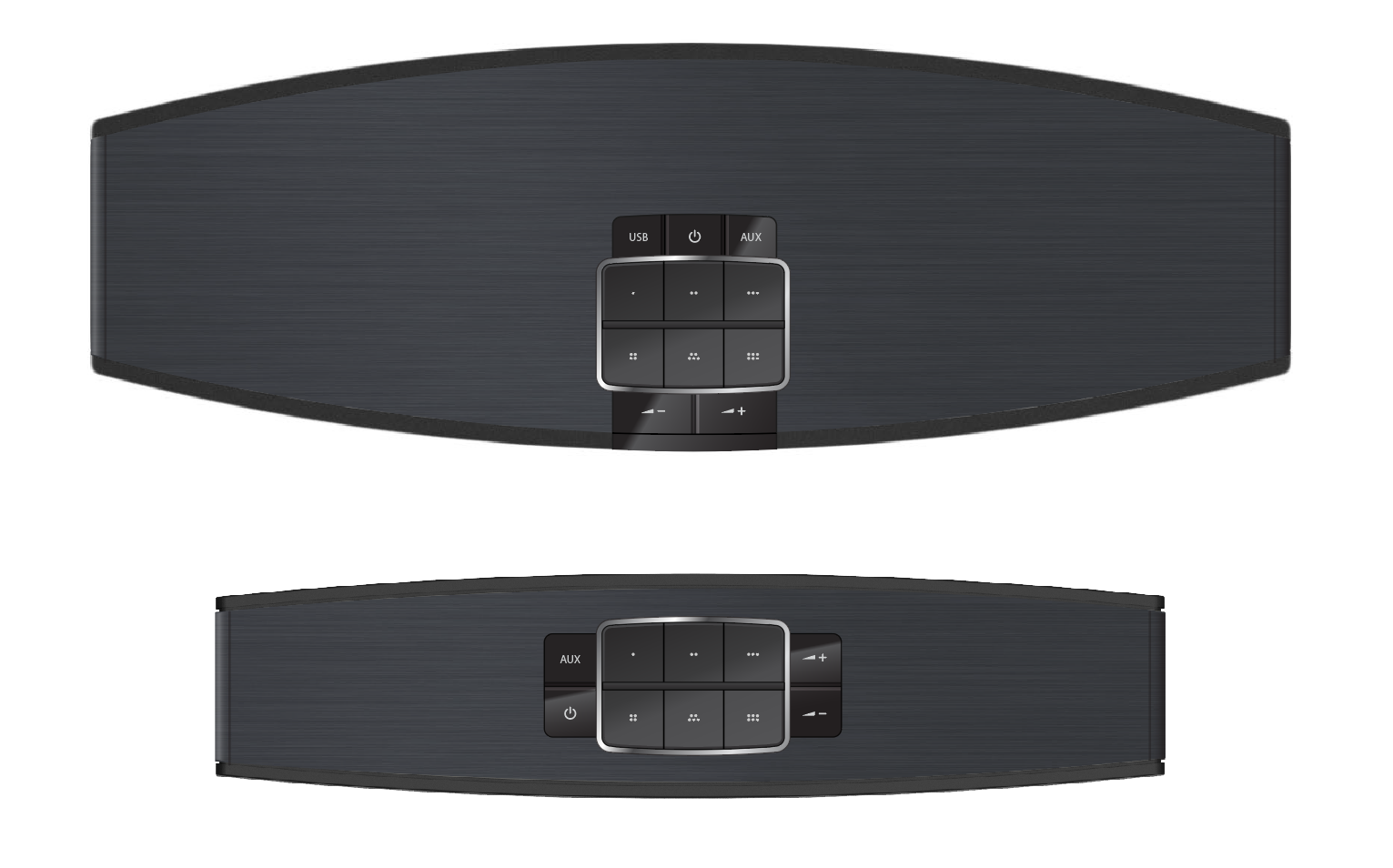
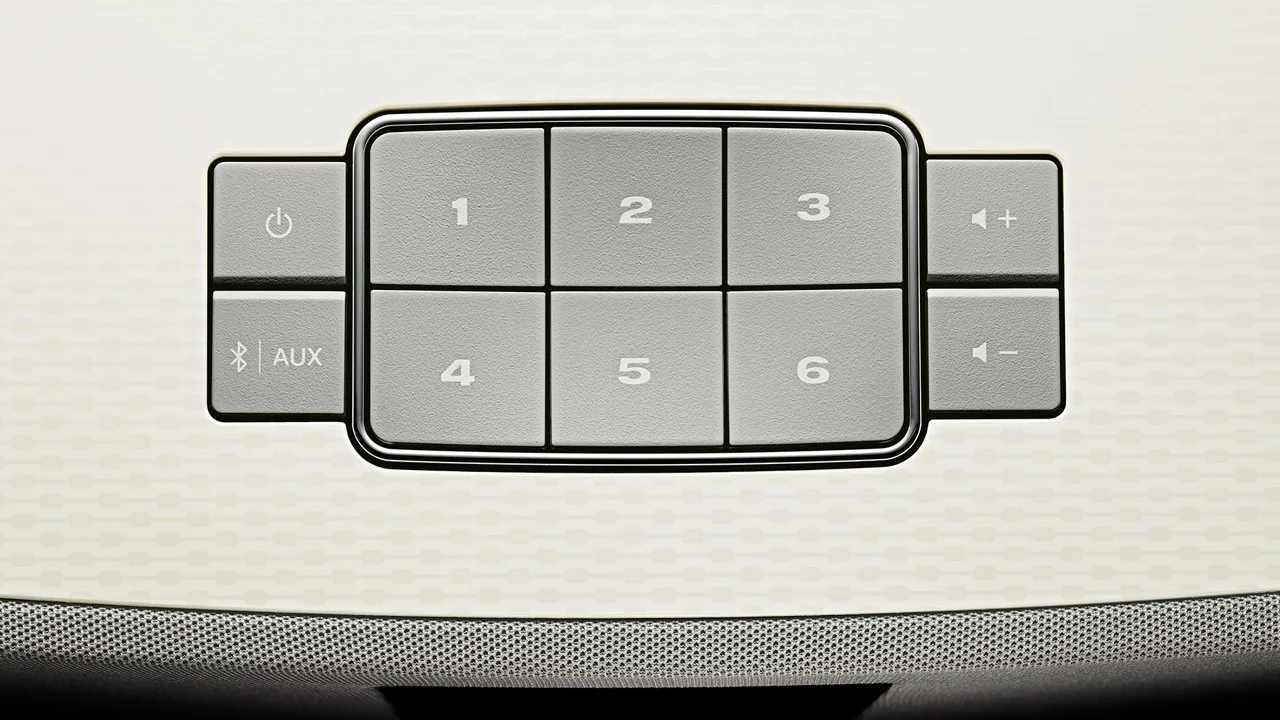
A unique feature of SoundTouch is the ability to program 6 presets for instant access to cross-platform audio sources. The physical design needed to celebrate this feature while being distinctive, elegant and adaptable to the remote control and screen interface.

UI concept exploration
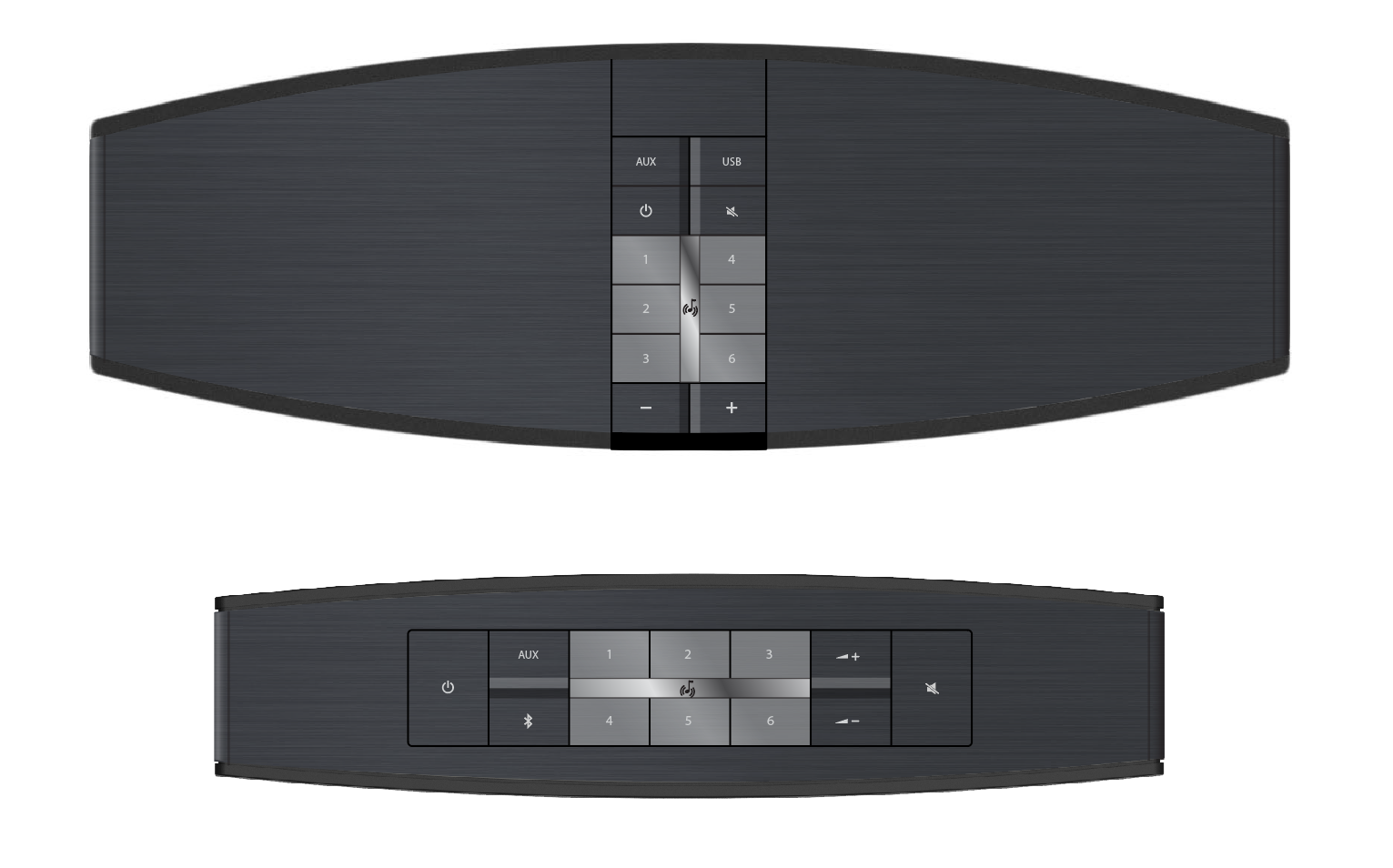
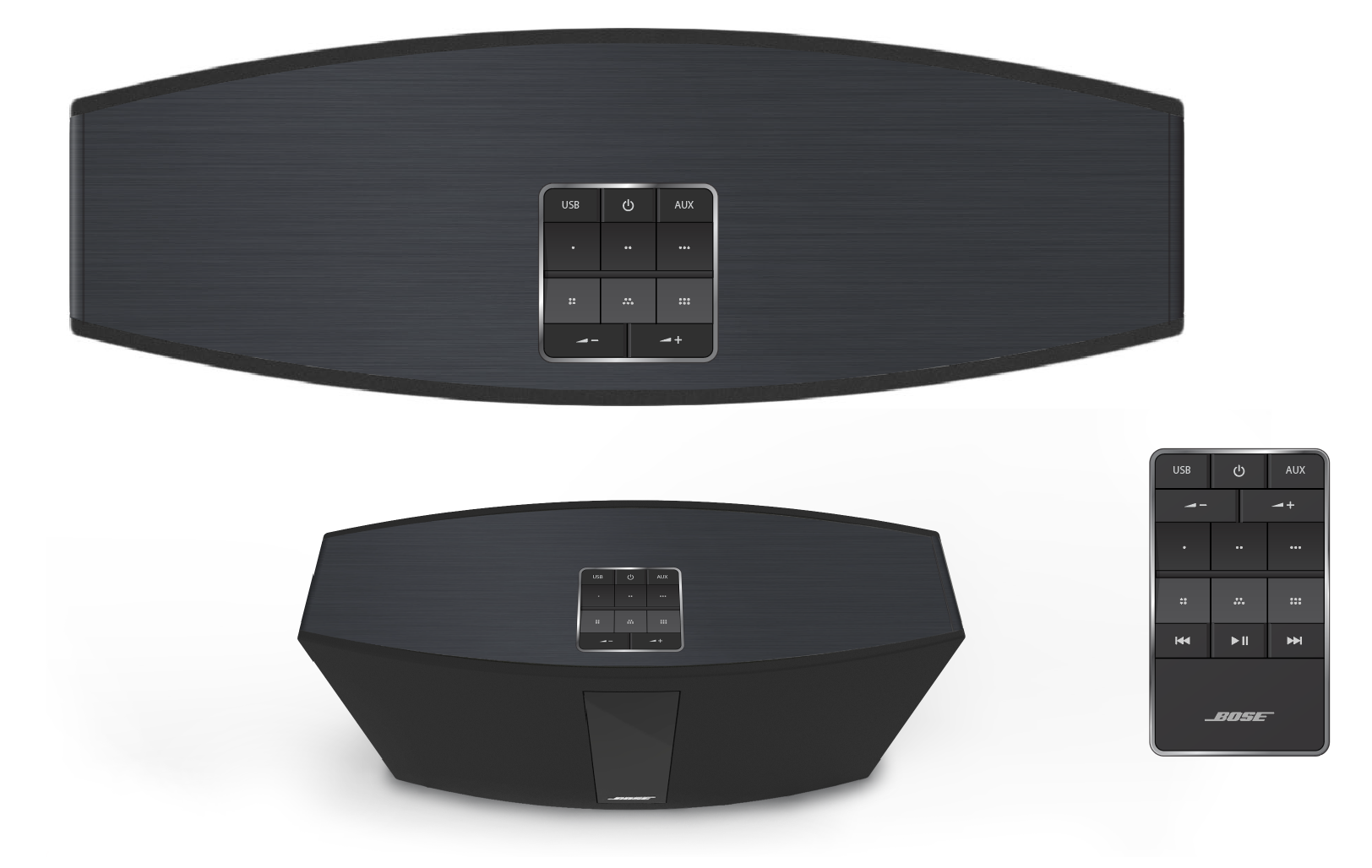
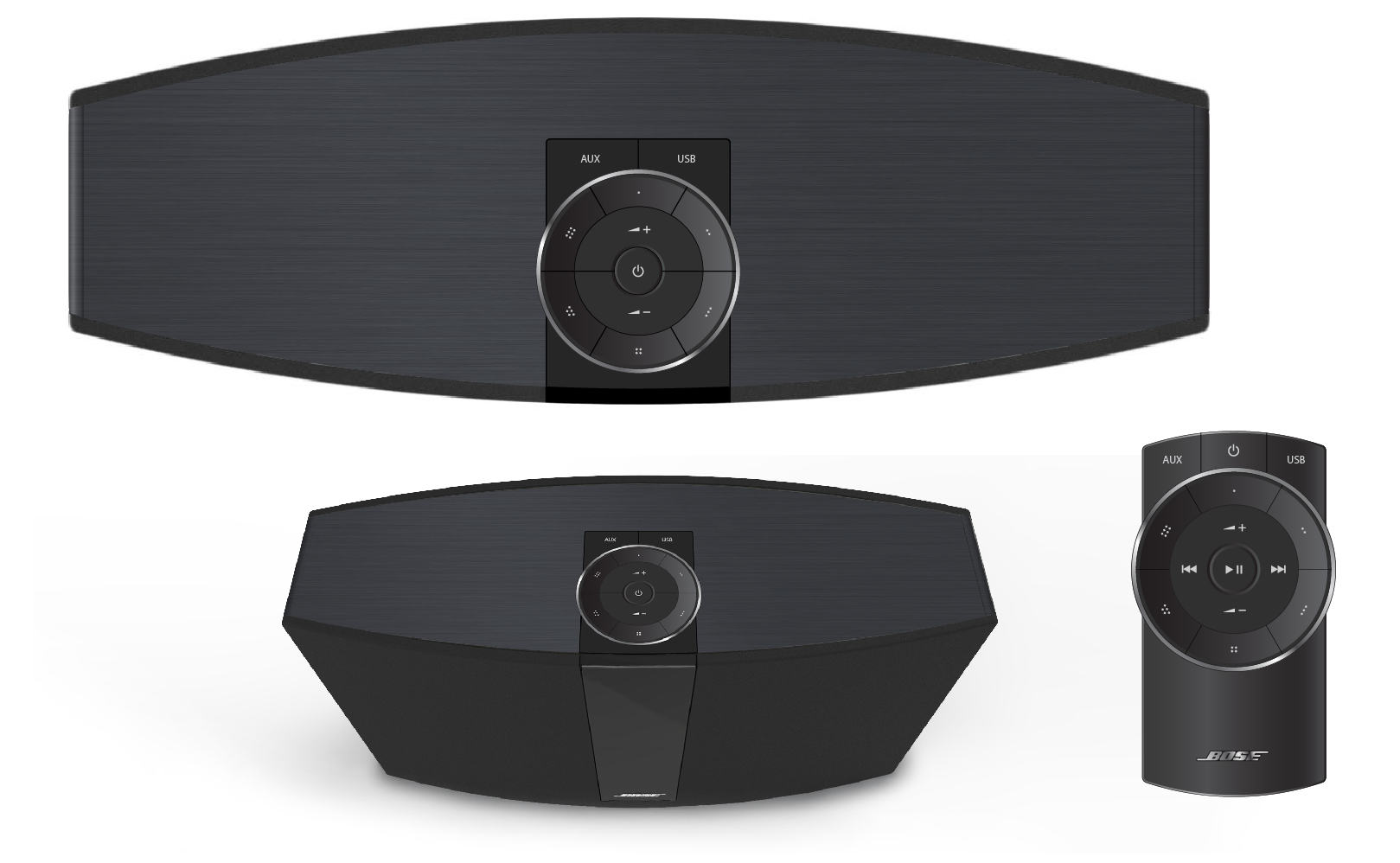
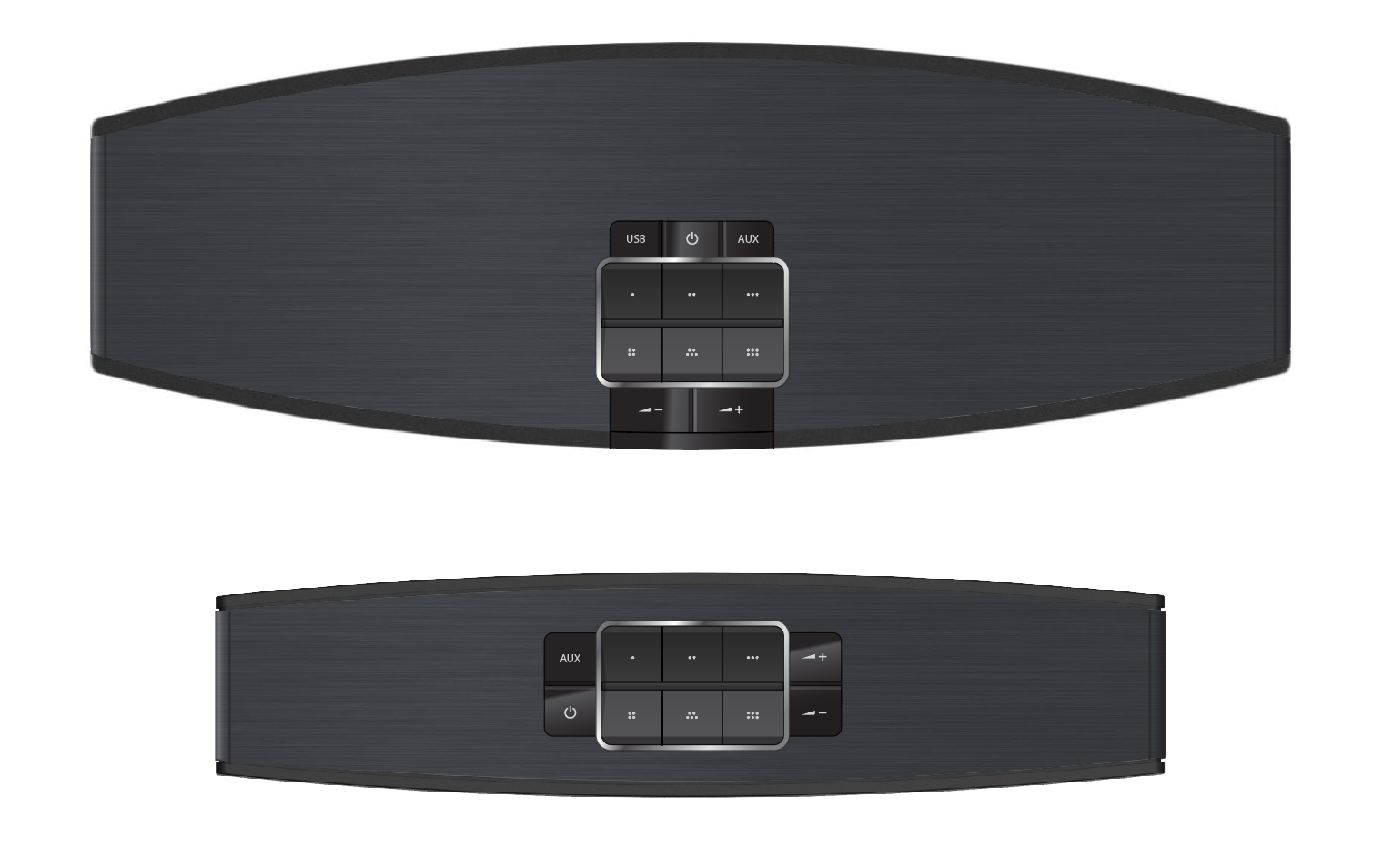
Design Control
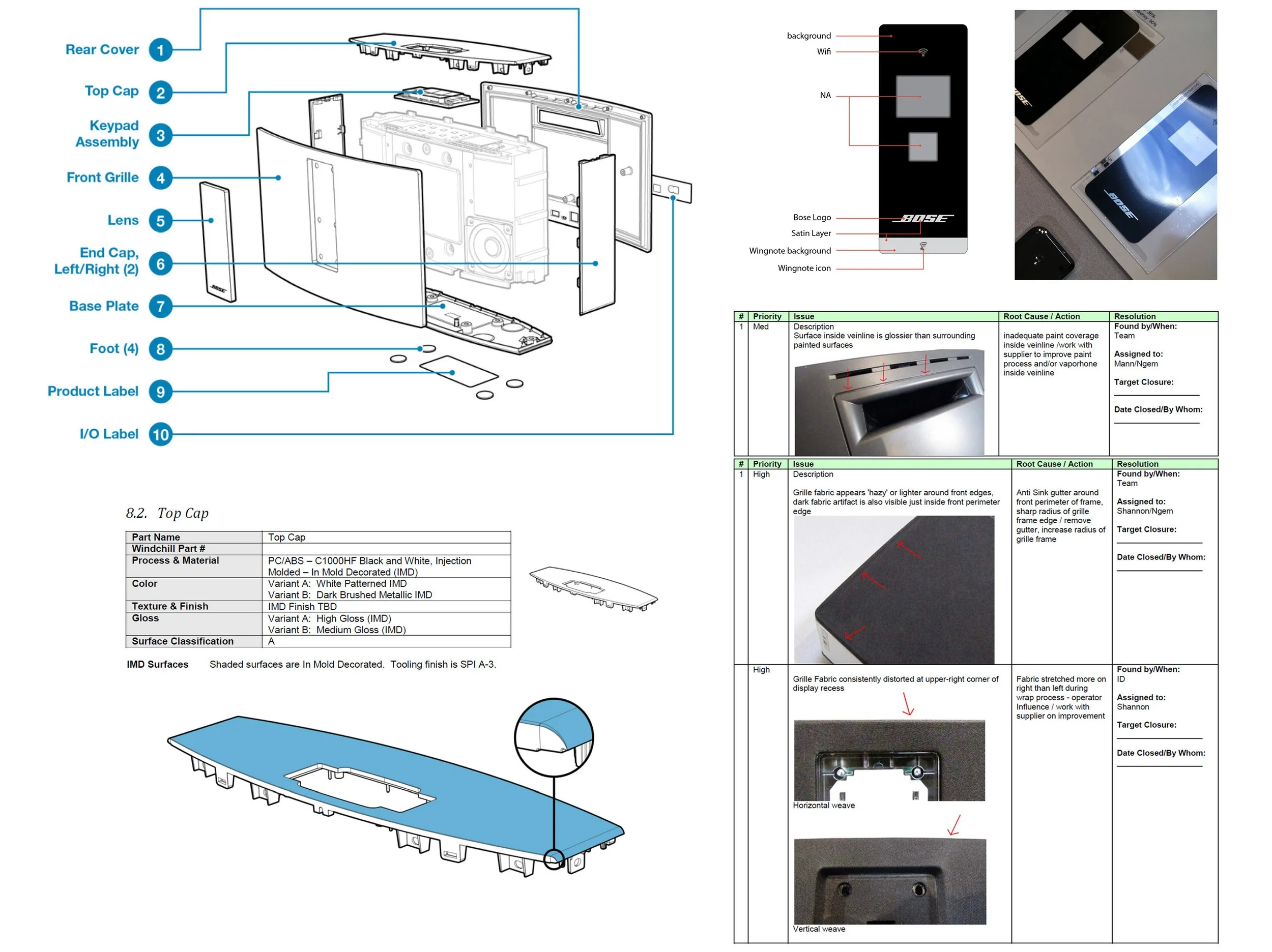
Successful implementation required a high degree of design resolution, definition, and constant involvement
during development to ensure design intent was maintained
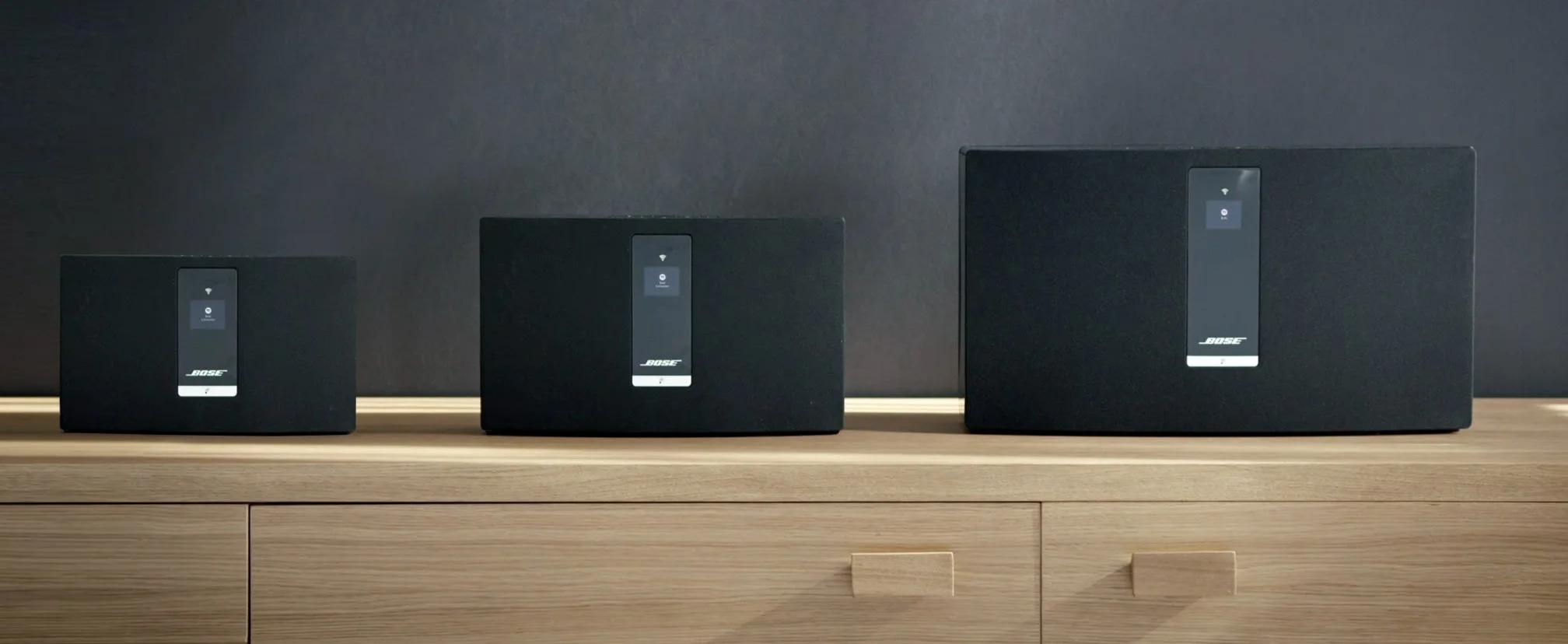
Longevity
Since 2015 the speakers have been continually updated through finishes and materials to evolve with interior tastes